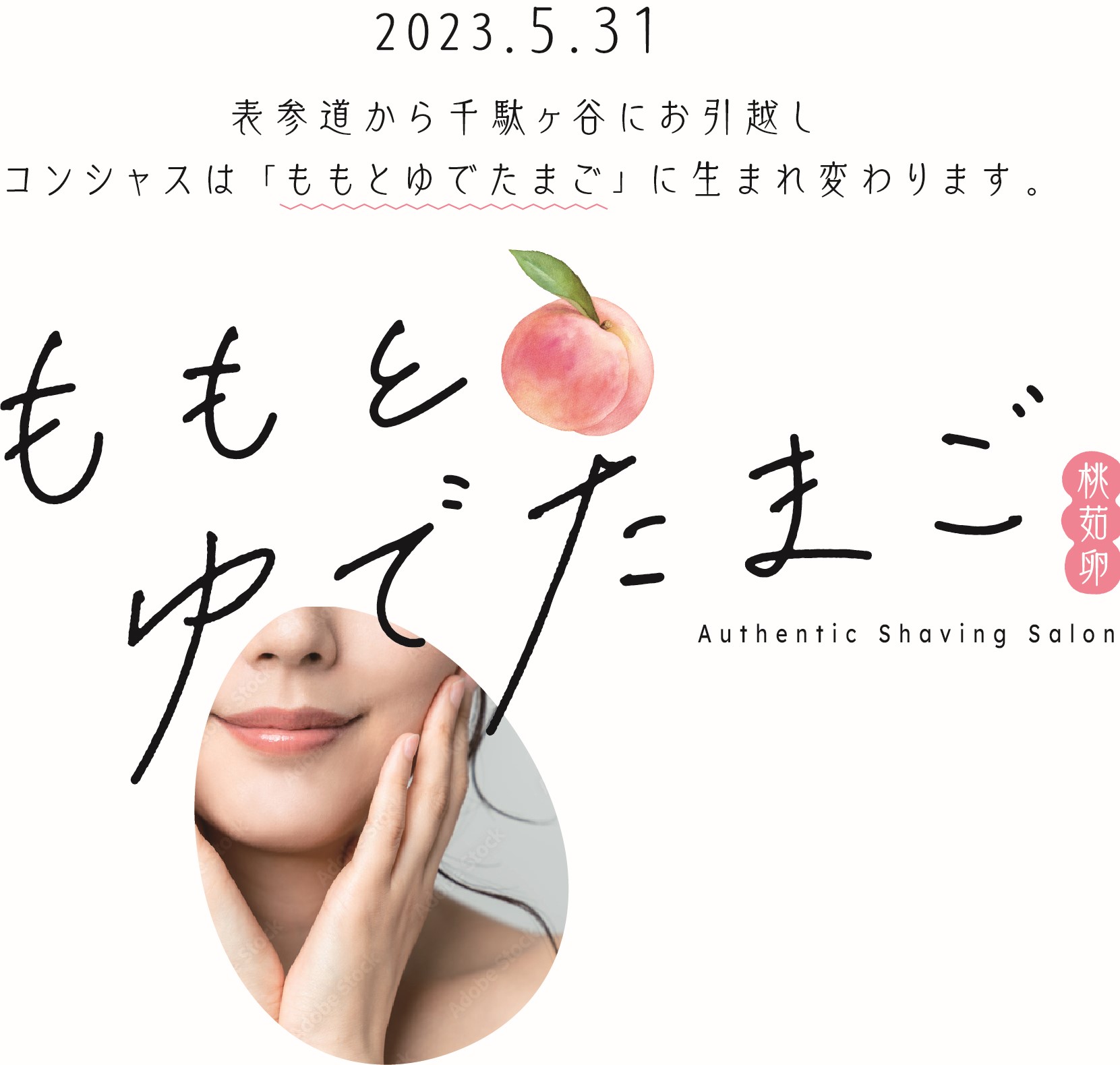
If you enjoy scrolling through skincare and beauty trend videos, you have probably already seen a few posts about dermaplaning. The authentic shaving is simillar treatment. The Conscious shaving skincare procedure is a popular method for getting smooth skin fast. Involving the removal of hair on the skin’s surface using a specific blade, shaving can lead to a brighter-looking complexion.
Authentic shaving makes the skin smoother, softer, and brighter. It can help reveal healthy skin beneath dead skin cell layers. It also helps improve the penetration of skincare products and preps the skin for additional procedures like lasers and peels.
What is shaving and how does it work?
Authentic shaving is a procedure in which the skin is manually exfoliated to remove dead skin buildup and fine hairs. It’s a simillar to dermaplaning facial treatment.
Authentic shaving uses a sharp dispasable blade (a larger, fatter blade) held at a 45-degree angle to gently scrape the outer layer of the skin which consists of dull, dead skin cells.
At the appointment, an aesthetician will gently pull your skin tightly and lightly while gliding the blade in an upward motion using delicate, feathering strokes with warm gel cream.
What are the benefits of shaving?
First, your skin will feel seriously smooth and look super even thanks to a solid exfoliation, this procedure isn’t exactly a wonder cure for your skin. While some experts are curious about whether or not shaving could improve how well beauty essence and serum are absorbed into the skin (which should, in turn, boost their benefits), its effect on product absorption isn’t 100% clear. Furthermore, “claims that dermaplaning can stimulate collage or improve pigmentation have not been proven”.
But if you’re simply looking for a great exfoliating treatment—and want something manual versus chemical —the procedure is a great alternative. “Authentic shaving is a great exfoliating option for all skin types. This makes it stand out against laser resurfacing and peels, which may not be suitable for all skin types.
How to prep your skin for shaving.
To get the best results, experts recommend prepping your skin properly before the procedure. Inspect your skin for cuts or scrapes. The skin should be healthy and free of any injuries that may increase the risk of infection.
You should hold off on shaving if you have a tan, sunburn, active acne, a flaring rosacea breakout, or an inflammatory skin condition such aseczema or psoriasis, as the procedure can worsen these issues. If you have a lot of deepacne scarring, you also want to be careful with dermaplaning since there may be an easier chance of nicking your skin during the procedure.
What to do right after Authetic shaving
It’s important to protect your skin from the sun right after an authentic shaving procedure, as it can make the skin more photosensitive.
Authentic shaving experience at the CONSCIOUS
At the Conscious, we strive for a gentle “authentic shaving” experience that minimizes skin irritation with either our high-moisture cream or gel that is gentle on sensitive skin. For concerns such as lifting, rehydrate, clean pores, or rejuvanating needs, we suggest our special care course using top-of-the-line skincare products. Even if chemical peels at clinics have not worked for you, our authentic shaving process will likely exceed your expectations.
Who is a professional qualification for shaving treatement?
Only licensed barbers are allowed to give shaving treatment. To obtain a barber license, one must attend a barber school for at least two years to study knowledge and skills that correspond to both written and practical exams. All students are required to take compulsory classes designated by the Ministry of Health, Labour and Welfare , which includes subjects such as legal and regulatory knowledge, health management, healthcare, cosmetic chemistry, and cultural studies. In addition, they have to take special compulsory courses designated by the school. After completing these stipulated courses and passing the national barber exam (which includes a practical test).
They are knowledgeable in handling the tools used in shaving, such as straight razors, and are trained in proper sanitation and hygiene to prevent infection or other complications.